
Guest Blog: The Growing Force of Women Contractors in Construction
The Growing Force of Women Contractors in Construction
By Guest Blogger Kaitlin Krull
While our country is making extraordinary strides towards gender equality in the workplace, there are several job sectors in which women are historically regarded as inferior to men. Construction is seen as a man’s domain—forcing women to struggle to land jobs and succeed as contractors and builders. But we at Home Improvement Leads are thankful that times are changing as the battle for equality continues. More and more women are breaking into the male dominated construction world and are thereby changing the way we think of trades. Here are just a few of the ways that women are making their mark on construction.

Solar
As of 2013, 18.74% of the U.S. solar workforce was made up of women. Although this figure is far higher than the national average for construction in general (the National Association of Women in Construction and the Bureau of Labor Statistics estimate that as of 2015 only 9.3% of all workers in the construction industry are women) and women make up the highest percentage of minority employment for solar, one could argue that there is a long way to go before achieving total gender equality here. However, organizations such as Women in Solar Energy (WISE) strive to close this gap through networking, funding, advocacy, and the common goal of equality in the solar energy industry.

HVAC
The highly technical field of HVAC has garnered significant support for women and minority workers in recent years. Women in HVACR, a national organization for women in the HVAC industry, has been around for over 12 years and offers opportunities for women to network and further their industrial education through forums, classes, and annual conferences.

Roofing
Like its HVAC counterpart, National Women in Roofing is a national organization supporting women in the U.S. roofing industry through social media networking and further education. NWIR is currently steadily growing in membership and, with sponsorship and support, hopes to continue the growing trend of women in roofing for years to come. Further information about women roofing contractors can be found at this webinar with the founder of NWIR.

Windows
Window installers and glaziers have one of the most difficult and dangerous construction jobs in the U.S. today. Although the stress and risk levels for window contractors are relatively high, this industry remains number nine on the list of best construction jobs. Perhaps this is why more women are being drawn to the profession now than ever before. The success of women like Nicole Harris, the current President and CEO of the National Glass Association, demonstrates that women can and should be at the forefront of the window industry.
Conclusion: Traditional homemaker vs Modern home-maker?
The construction industry is booming, and women are making themselves known in fields across the sector. National bodies for solar, HVAC, roofing, and glaziers provide communication and education opportunities for women contractors all over the country, ensuring they get the tools and support they need to succeed in a male dominated field.
Women contractors throughout the country are acting as pioneers in the construction industry —including local PDX business owners like Holly Huntley at Environs and Megan at Eight Penny Nail. If these positive trends continue, women will continue to be a force to be reckoned with in the construction world and pave the way to an unified and equal future workplace.
The Portland Tribune Highlights the Experiences of Tradeswomen
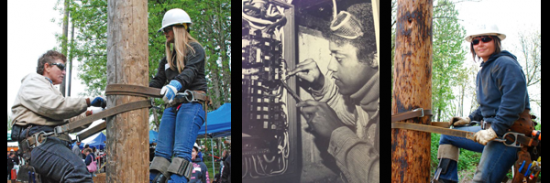
Portland Tribune reporter, Peter Korn, contacted OTI’s Communications Manager, Mary Ann Naylor, around the middle of June, 2016. He was working on a story exploring the terms misogyny and sexism, and how women in different occupations might experience either or both on the job. One of the people he was interviewing for his story about misogyny suggested that he really needed to get the perspective of tradeswomen, so he called Mary Ann.
Mary Ann referred Peter to Jenna Smith, an OTI TACC Graduate who attained her journeyman card as a power line tree trimmer, and later – after a fight – attained a second journey man card as a lineworker. After speaking with Jenna about her experiences, he was ignited to share her story more fully. Peter contacted Mary Ann to let her know he was embarking on another journalistic project to document some of the experiences of tradeswomen into a multi-part story to run in consecutive weeks. Mary Ann was, of course, more than happy to support the development of these stories by connecting him to tradeswomen, industry contacts, and providing photos to help fully tell the stories.
Oregon Tradeswomen is incredibly thankful to Mr. Korn for his thoroughness and attention to detail in developing these pieces. These are important stories and many have never been shared publicly before now.
Week 1: Tuesday, June 21, 2016
Is today’s misogyny a ‘different, darker animal,’ or more of same ‘ol sexism?
Week 2: Thursday, June 30, 2016
The Worst Job In Oregon (If You’re A Woman)
Week 3: Tuesday, July 12, 2016
Over the line: harassment keeps women off the job
Week 4: Tuesday, July 19, 2016
Subtle sexism keeps women a step behind
&
Recruiting a better ending for women in the trades
Week 5: Thursday, July 29, 2016
Affirmative action fizzles for women in trades
Guest Blog Post: Ape Caves Hike
Hello! I’m Tiffany Thompson, OTI’s Advocacy Program Manager. I have been having so much fun hanging out with the Tradeswomen from Bitching Hikes and I wanted to share my enthusiasm and invite you to get involved!
Not only do I get to hang out with an amazing group of women but I also get to go on new adventures. For example, I went hiking in a cave! No, more than a cave a lava tube! If you haven’t been to the Ape Caves, I would highly recommend it. And, if you haven’t joined the hiking group yet, it should be your very next step! I am not a huge hiker but this has been a lot of fun. They select easy hikes in beautiful places. So, I hope to see you at the next one.
Join the group on Facebook to be the first to know about upcoming hikes!

Rock against the TPP
 Fight for the Future, Firebrand Records, Rage Against the Machine guitarist Tom Morello, and a large coalition of labor, environmental, and social justice groups are organizing Rock Against the TPP, a nationwide series of large-scale educational concert events to raise awareness about the dangers of this agreement.
The tour will be in Portland, OR on August 20th at Director Park with a concert featuring popular punk band Anti-Flag, Golden Globe nominated actress Evangeline Lilly, bilingual dance-rock band Downtown Boys, Shihasin of the Navajo Nation, Afro-Latin reggae vocalist Taina Asili, and more. There will also be a teach-in before the concert and Evangeline Lilly will host a training on How to Fight the TPP on Sunday, August 21st at 1pm at the First Unitarian Church. All events are free, all ages, and wheelchair accessible.
As you likely know, the TPP is a massive trade deal (like NAFTA) that was negotiated in complete secrecy with hundreds of lobbyists from large corporations setting the agenda. It poses a serious threat to our basic democratic process as well as jobs, the environment, internet freedom, human rights, food safety, and more.
Visit Rock Against the TPP for more information.
OTI Endorses Ballot Measure 98
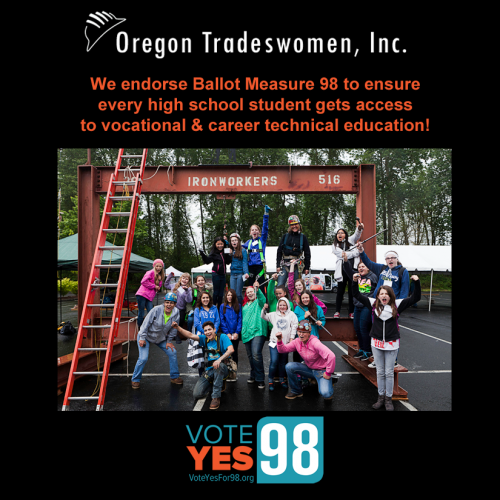
Every year, at least 10,000 Oregon high school students don’t graduate. Many of those who drop out simply lose interest and disengage. After years of repeated budget cuts to our high schools, many critical learning opportunities have been taken away from Oregon students. Ballot Measure 98 would change that by restoring and expanding vocational and career technical education (CTE), college preparation courses, and Advanced Placement classes in all high schools.
This is an important step for Oregon businesses, too, as many employers in construction, manufacturing, engineering, and computer coding are currently having difficulty local skilled workers, and the situation is only going to intensify as the skilled workforce in these industries approach retirement.
Learn more at VoteYesFor98.org
Narrowing the Wage Gap

New Website and Report Explores How Improving Women’s Access to Middle-Skill Jobs Can Narrow the Wage Gap while Filling a Skills Gap in Growing Sectors
Studies show that half of the gender wage gap is due to women working in different occupations and sectors than men. Improving women’s access to good middle-skill jobs can help close the wage gap and improve women’s economic security.
The new Pathways to Equity Initiative from the Institute for Women’s Policy Research (IWPR) shows careers that can improve women’s economic standing and meet employers’ demands for skilled workers. IWPR launched a new interactive website, womenandgoodjobs.org, which helps users identify pools of skilled women workers who could be tapped to fill shortages, ensuring that the economy benefits from the talent of its whole workforce. Read the Initiative’s research findings and explore the site at womenandgoodjobs.org.
Harassment in the Workplace
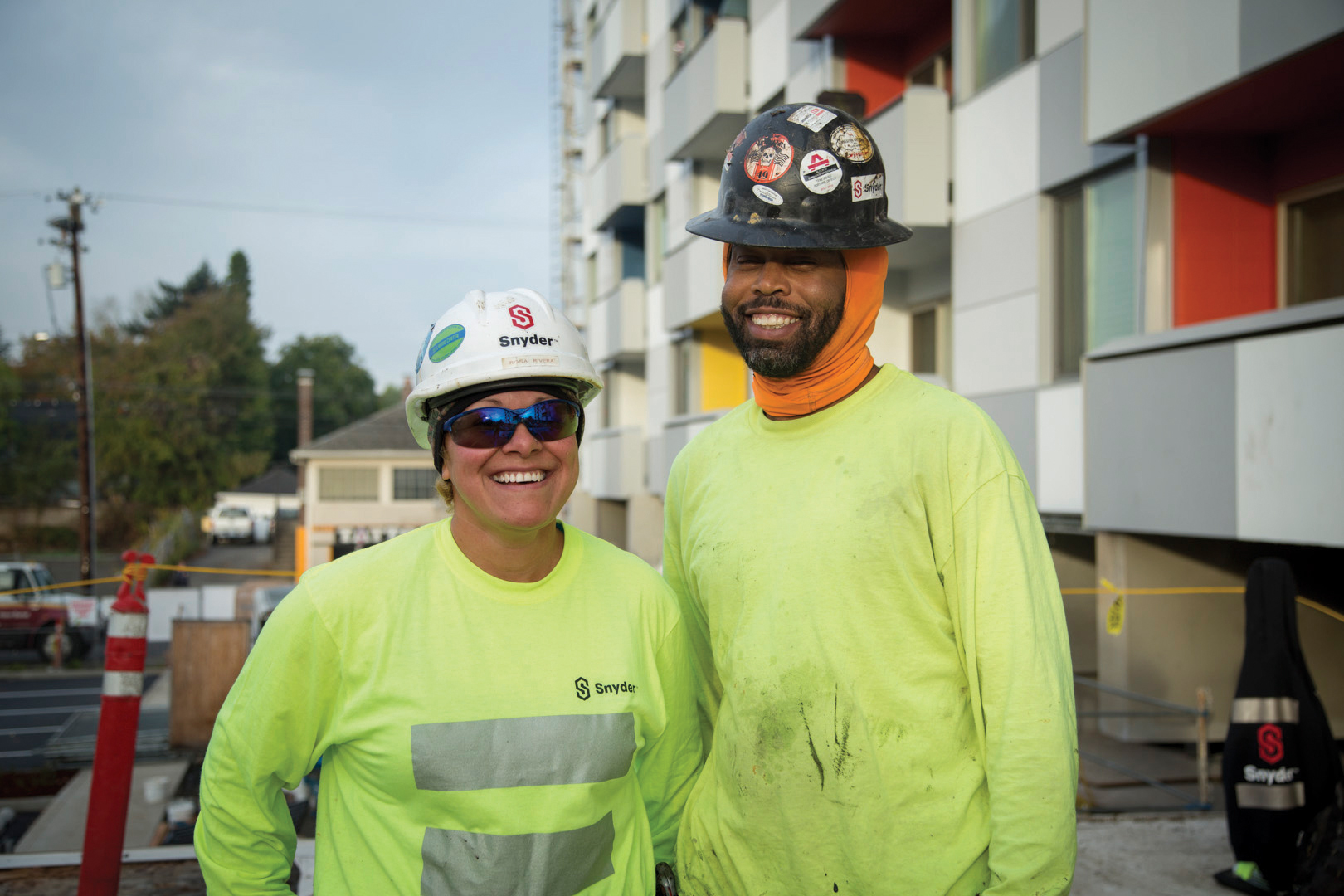
In June, the Equal Employment Opportunity Commission (EEOC) released the 2016 EEOC Harassment in the Workplace Report. OTI was pleasantly surprised to see that the report took a much broader and more comprehensive view of this issue rather than sticking to a strict legal definition.
The report acknowledges that the vast majority of workers who experience harassment in the workplace are unlikely to report the behaviors. Given this information, the EEOC is recommending prevention efforts to address workplace harassment as a remedy instead of simply focusing on the report process.
There is a section in the report that recommends the use of Bystander Intervention Training as an effective prevention model, with the caveat that more research needs to be conducted to determine the effectiveness of such models. Interestingly, OTI has been working on exactly that approach! For the last two years, OTI has been working with Green Dot (mentioned on page 57 of the report) to get funding for a pilot project here in Oregon. We are really excited that the first training for the Respectful Workplaces project will take place at the end of August!
If you are interested in this topic, but only have a few minutes, please read the summary (pages 66 – 71)! If you have more time, we recommend reading the entire report.
Narrowing the Gender Wage Gap – New Report
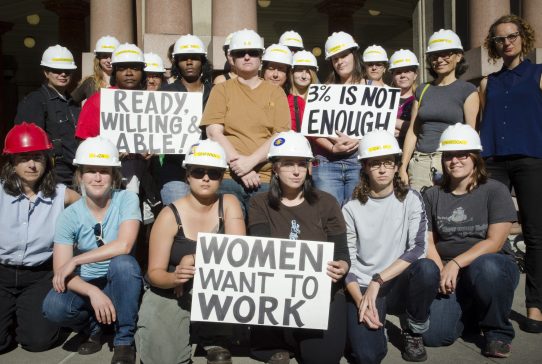
New Website and Report Explores How Improving Women’s Access to Middle-Skill Jobs Can Narrow the Wage Gap while Filling a Skills Gap in Growing Sectors
Studies show that half of the gender wage gap is due to women working in different occupations and sectors than men. As such, improving women’s access to good middle-skill jobs can help close the wage gap and improve women’s economic security.
The new Pathways to Equity Initiative from the Institute for Women’s Policy Research (IWPR) shows careers that can improve women’s economic standing and meet employers’ demands for skilled workers. IWPR launched a new interactive website, womenandgoodjobs.org, which helps users identify pools of skilled women workers who could be tapped to fill shortages, ensuring that the economy benefits from the talent of its whole workforce.
Read the Initiative’s research findings and explore the site at womenandgoodjobs.org.
OTI Awarded U.S. Department of Labor Grant for Women in Apprenticeship
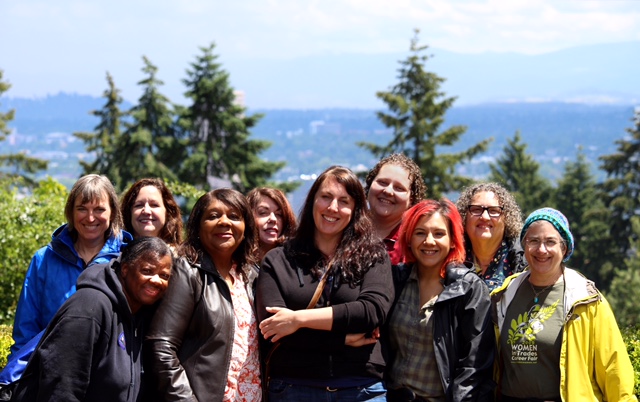
Oregon Tradeswomen, Inc. Staff Members
Oregon Tradeswomen, Inc. (OTI) is proud to announce that on June 14, 2016, we were awarded a Women in Apprenticeship and Non-Traditional Occupations (WANTO) grant to continue our work connecting women with high wage, high skill trades careers through registered apprenticeship.
“Oregon Tradeswomen, Inc. is honored to work with our partners, Seattle-based Apprenticeship and Nontraditional Employment for Women and Oakland, California-based Tradeswomen Inc. through the Women in Apprenticeship and Non-Traditional Occupations program,’’ said Connie Ashbrook, OTI’s Executive Director. “Many women in our communities are passionately interested in working in the construction, manufacturing and utility trades, but don’t know where to get started. Our joint efforts to provide women with the education, skills, and connections they need support their access to and success in family-supporting trades careers, while at the same time helping apprenticeship programs and employers diversify their workforces.”
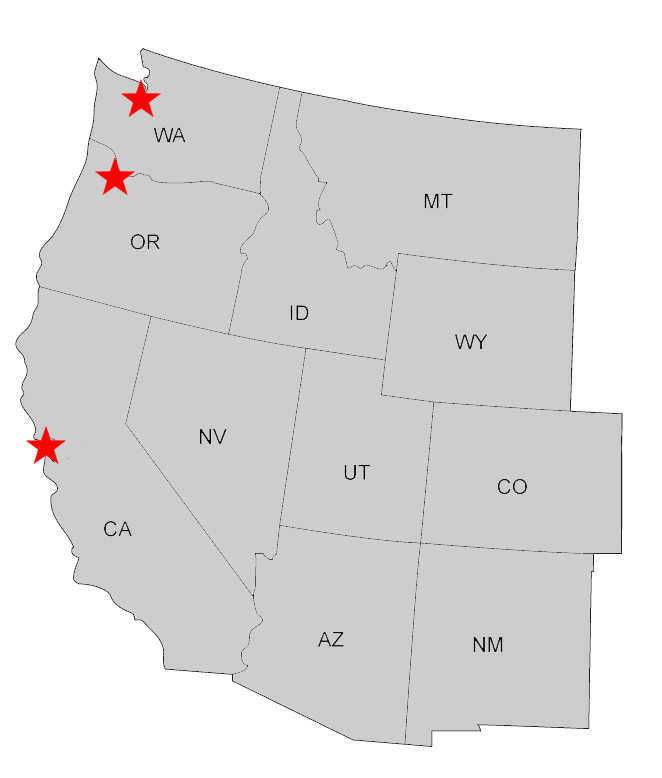
The $650,000 will be awarded over the course of two years. It will fund direct technical assistance work in the Portland, Seattle, and Oakland metropolitan regions, as well as outreach throughout the Western United States.
Under our prior WANTO grant, OTI was able to launch the Western Resources Center for Women in Apprenticeship website which supplements our technical assistance efforts and outreach to western apprenticeship programs.
With the support of the U.S. Department of Labor, we are thrilled to have the opportunity to continue this work and build on our partnerships with ANEW, Tradeswomen, Inc., and registered apprenticeship stakeholders in the western region.
Introducing the Western Resources Center for Women in Apprenticeship
 Along with our partners Apprenticeship and Nontraditional Employment for Women (ANEW, based in Washington), and Oakland, California-based Tradeswomen, Inc., we are delighted to announce the launch of the new Western Resources Center for Women in Apprenticeship. The unveiling of our jointly developed technical assistance website marks the conclusion of two years’ efforts to create online resources for industry stakeholders and tradeswomen under the federal Women in Apprenticeship and Non-Traditional Occupations (WANTO) program.
The Western Resources Center (WRC) was created to serve three primary audiences in the Western US: 1) apprenticeship and pre-apprenticeship program training providers, 2) women and girls interested in trades careers, and 3) current tradeswomen and female apprentices.
Resources for Training Providers:
- Guides and templates for improving and expanding outreach to and recruitment of women to trades careers
- Retention resources to help training providers support women’s long term success in apprenticeship
- Free downloadable pre-apprenticeship curriculum based on Oregon Tradeswomen’s successful Trades and Apprenticeship Career Class
- Creative Commons library of high quality, free images of real tradeswomen for use in recruitment materials
- Data collection guides and tracking plans
Information for Women & Girls Interested in Trades Careers:
- Guide to types of skilled trade careers
- A video gallery for women and girls to learn directly from tradeswomen what various trades careers entail
- An interactive map demonstrating where women can learn more about apprenticeship in each of the 13 Western states
- Links to tradeswomen’s organizations and social media communities
- A Know-Your-Rights guide to tradeswomen’s legal rights on the job and in apprenticeship
- Links to tradeswomen’s communities and advocacy organizations
- Information about the annual Women Build Nations Conference and other opportunities for tradeswomen
We’re proud to officially debut this work and hope it will be as useful to our community as it was rewarding to create. We welcome your feedback, constructive criticism, contributions, and most of all we welcome your help sharing this work with your friends and colleagues. Please help us get the word out about these resources. Bring some printouts to a meeting, share the page on Facebook, or send an email to your colleagues.
Thanks for supporting women in apprenticeship and we hope to hear from you about the new resources!